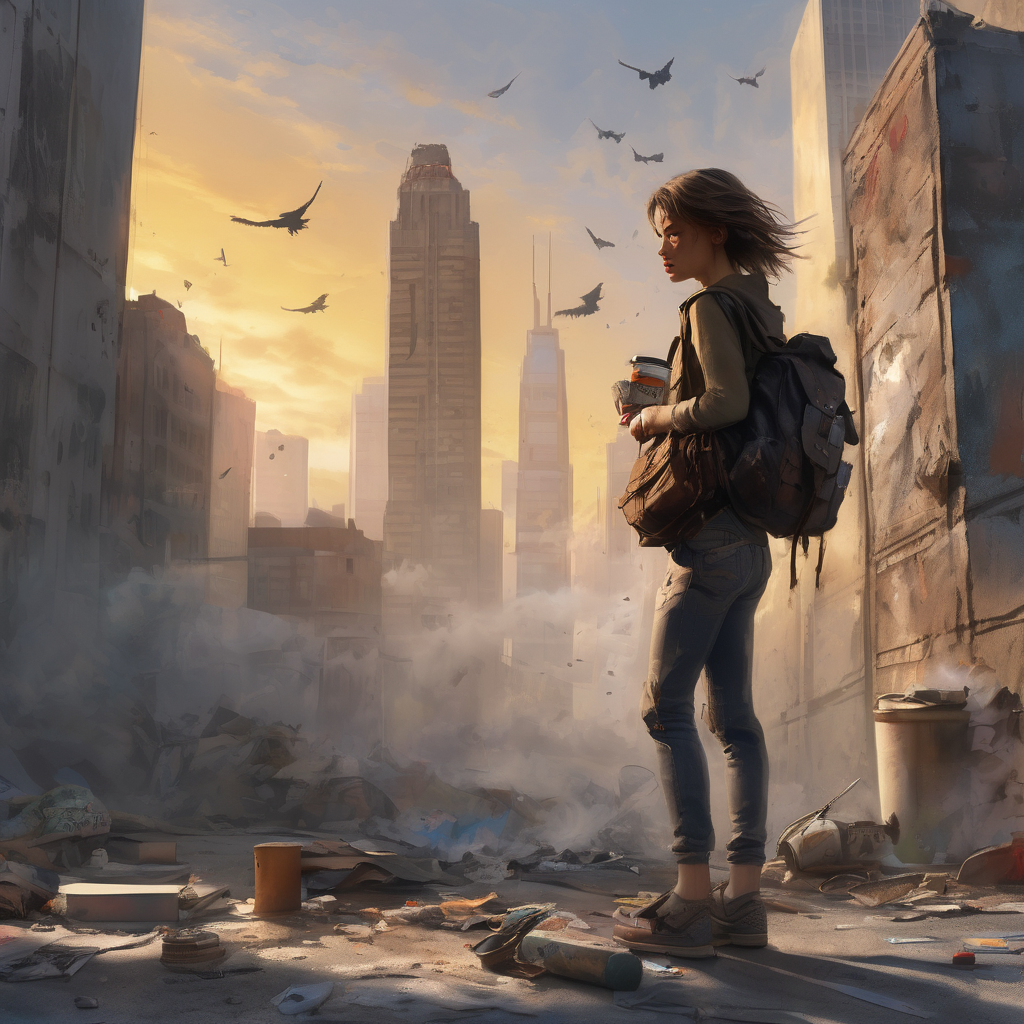
As the last wisps of dawn dissipated over the sprawling metropolis, a lone figure emerged from the shadows of a dimly lit alleyway, breathing in the scent of jasmine and smoke that lingered in the crisp morning air. Lena, a young and enigmatic street artist, carried a worn leather satchel slung over her shoulder, containing an assortment of spray cans, stencils, and a tattered notebook filled with cryptic musings on the concept of sustainability and the futility of human endeavor. The city was awakening, its concrete canyons and steel skyscrapers a testament to the relentless march of progress and gentrification that had been reshaping its landscape for years.
With a practiced air, Lena navigated the deserted streets, her eyes scanning the walls and buildings for the perfect canvas. She had been drawn to this particular neighborhood, with its faded facades and eclectic mix of boutique cafes and vintage shops, for its raw, unpolished energy – a stark contrast to the gleaming, Instagrammable hotspots that seemed to sprout up everywhere, catering to the influencer crowd. As she walked, the sound of distant chanting and drumming carried on the breeze, growing louder with each step, a reminder of the climate protests that had been taking place across the city.
The murmur of voices led her to a small park, where a gathering of activists and artists had assembled, surrounded by banners and placards adorned with slogans advocating for social justice and environmental awareness. Lena watched from the periphery as they performed a ritualistic dance, their bodies swaying in unison to the beat of the drums, their faces painted with vibrant, eco-friendly dyes. The performance was a poignant commentary on the intersectionality of art and activism, and the role that creativity could play in driving meaningful change.
Transfixed, Lena felt an creative surge course through her veins, and she quickly set to work, using her art supplies to capture the essence of the scene on a nearby wall. As she worked, the dancers began to disperse, leaving behind a scattering of petals and leaves, which Lena incorporated into her piece, weaving them into the intricate design. The finished mural depicted a phoenix rising from the ashes, its plumage a swirling vortex of colors that seemed to shimmer and glow in the morning light.
As the sun climbed higher in the sky, Lena stepped back to admire her handiwork, and was met with a mixture of nods and smiles from the remaining onlookers. One of the performers, a young woman with a shaved head and a kind smile, approached her, and handed her a small, delicate locket containing a fragment of a sunrise-colored stone. It was a gift, she said, a token of appreciation for Lena’s art, which had been a source of inspiration for their movement. The stone, it turned out, was a rare, locally sourced mineral that had been used in traditional crafts for centuries, a symbol of the community’s connection to the land and its heritage.
Lena accepted the gift, her fingers closing around the locket as she felt the weight of the stone within. As she did, she was suddenly enveloped by a vision of the city’s past and present, the echoes of countless dawns and dusks reverberating through her mind like a haunting melody. The image of the phoenix, now a recurring motif in her art, seemed to take on a new significance, representing the resilience and determination of the community in the face of adversity. And as she walked away from the park, the locket clutched tightly in her hand, she knew that her art would continue to be a reflection of the world around her – a world that was constantly evolving, yet remained forever connected to the land, the people, and the echoes of the last dawn.


Leave a Reply